
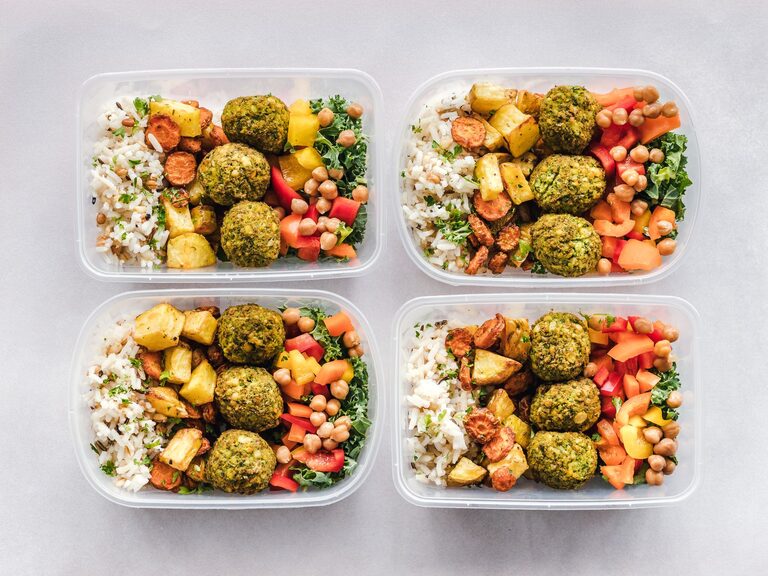
Planning balanced meals can feel overwhelming, especially when juggling busy schedules and diverse food preferences. However, creating nutritious, satisfying meals doesn’t have to be stressful or complicated. With a few practical tips and a bit of preparation, you can enjoy healthy eating that fits seamlessly into your life. This guide will walk you through easy steps to plan balanced meals without the hassle.
Why Balanced Meals Matter
Balanced meals provide your body with the right mix of nutrients it needs to function well. They typically include:
– Proteins: Support muscle repair and growth.
– Carbohydrates: Provide energy.
– Healthy fats: Support brain health and nutrient absorption.
– Fiber: Aids digestion and keeps you full.
– Vitamins and minerals: Essential for overall health.
When your meals include a combination of these elements, you feel more energized, satisfied, and less likely to snack on unhealthy options.
Step 1: Understand What Makes a Balanced Plate
A simple way to visualize a healthy meal is the “Plate Method”:
– Half the plate: Vegetables and fruits. They add color, fiber, and essential nutrients.
– One-quarter: Lean protein. Examples include chicken, fish, beans, tofu, or eggs.
– One-quarter: Whole grains or starchy vegetables like brown rice, quinoa, or sweet potatoes.
– Add a small portion: Healthy fats such as olive oil, nuts, or avocado.
This approach is flexible and easy to adjust depending on your preferences and dietary needs.
Step 2: Plan Your Meals Ahead
Planning ahead reduces the stress of last-minute decisions and impulsive eating. Here’s how to start:
Make a Weekly Meal Plan
– Write down meals for each day, including breakfasts, lunches, dinners, and snacks.
– Use themes to simplify choices, such as Meatless Monday, Taco Tuesday, or Stir-fry Friday.
– Plan for leftovers to save time and minimize waste.
Create a Shopping List
– Based on your meal plan, list all ingredients needed.
– Organize your list by grocery store sections to make shopping efficient.
– Check your pantry and fridge before shopping to avoid duplicates.
Step 3: Prep Ingredients in Advance
Meal prepping can save you time and keep your eating on track.
– Wash and chop vegetables: Store them in airtight containers for quick use.
– Cook grains and proteins: Batch cook items like rice, quinoa, chicken breasts, or beans.
– Portion snacks: Prepare small packages of nuts, fruit, or yogurt to reach for when hungry.
By having ready-to-use ingredients, assembling meals becomes faster and less stressful.
Step 4: Keep It Simple and Flexible
Balanced meals don’t need to be gourmet or complicated.
– Use versatile ingredients that work in multiple dishes.
– Experiment with herbs and spices for flavor without extra calories.
– Allow room for treats and cravings—balance is about consistency, not perfection.
If you want to try new recipes, aim for just one or two per week to avoid overwhelm.
Step 5: Listen to Your Body
Eating balanced meals also means paying attention to your hunger and fullness cues.
– Eat when you’re hungry, stop when satisfied.
– Include a variety of textures and flavors to keep meals exciting.
– Don’t force yourself to clean your plate if you’re full.
This mindful approach helps reduce overeating and improves your relationship with food.
Bonus Tips for Stress-Free Meal Planning
– Use technology: Apps and websites offer meal planning templates and grocery lists.
– Cook with family or friends: Share tasks to make cooking more enjoyable.
– Shop seasonally: Fresh, local produce is often more affordable and flavorful.
– Stay hydrated: Drink water throughout the day to support digestion and curb unnecessary snacks.
Conclusion
Planning balanced meals without stress is achievable with simple strategies and a little preparation. By understanding the basics of a balanced plate, organizing your week, prepping ingredients, and staying flexible, you can enjoy nutritious meals that support your health and lifestyle. Remember, the goal is progress, not perfection, so take it one meal at a time!
Happy meal planning!
About the Author